

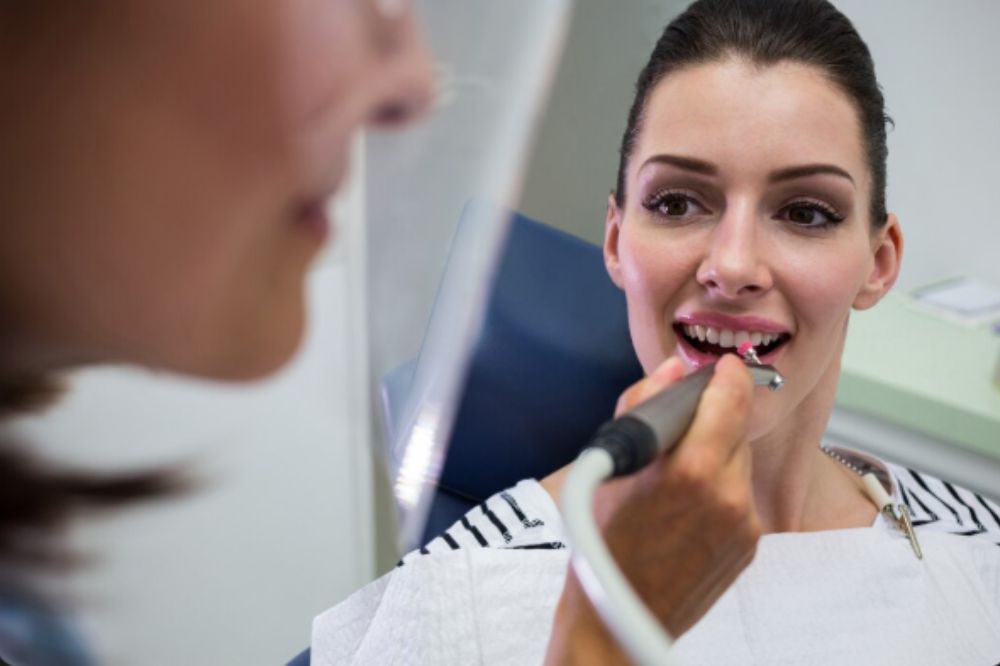
Deciding to transform a smile is a big step for any person. When visiting a dentist in Calgary NW, many individuals ask if these popular ceramic shells have any negative points. While these thin covers can make teeth look incredibly bright and straight, it is important to understand the full picture before starting. Knowing how the process works and how it affects natural teeth helps everyone make a choice that fits their lifestyle and health goals.
The Permanent Nature of the Change
One major factor to consider is that getting ceramic shells is a permanent decision. To make sure the new covers do not look bulky or thick, a professional must remove a tiny layer of the natural enamel. Because enamel cannot grow back once it is gone, the teeth will always need to be covered by something. If a shell breaks or wears out after many years, a person cannot simply go back to their original teeth; they will need to get a replacement to keep the tooth protected.
Potential for Temporary Sensitivity
When looking into dental veneers near you, some patients worry about how their teeth will feel after the visit. Since a small amount of enamel is cleaned away, the teeth might react more strongly to hot or cold drinks for a little while. Most of the time, this feeling goes away once the permanent shells are bonded into place. However, some people with naturally thin enamel might notice a slight increase in sensitivity that lasts longer than expected.
Understanding Gum Irritation from Veneers
The health of the soft tissue around the teeth is just as important as the ceramic itself. Sometimes, a person might experience gum irritation from veneers if the shells are not fitted perfectly or if they are difficult to clean.
- Fit Matters: If the edge of the shell sits too far under the gum line, it can cause redness or swelling.
- Cleaning Habits: Because there is a tiny seam where the ceramic meets the tooth, plaque can build up if flossing is skipped.
- Reaction to Material: While rare, some gums react to the medical glue or the ceramic, leading to mild soreness.
- Size Issues: If the new covers are too long or thick, they might press against the gums in an uncomfortable way.
How Long Do These Shells Last?
Nothing lasts forever, and that includes cosmetic dental work. Most ceramic covers stay strong and beautiful for ten to fifteen years. Over time, the medical glue might weaken, or the gums might naturally recede and show the edges of the shell. When this happens, a dentist will need to remove the old pieces and put on new ones. This means that choosing this path involves a long-term commitment to future maintenance and costs.
The Risk of Chipping or Cracking
Ceramic is very strong, but it is not quite as flexible as natural enamel. If a person has a habit of biting their fingernails, chewing on pens, or crunching on ice, the shells could chip or pop off. Unlike a natural tooth that might just get a small scratch, a broken ceramic shell usually needs to be completely replaced. People who grind their teeth at night also need to wear a special guard to prevent the top and bottom shells from hitting each other too hard.
Colour Matching Challenges
While modern ceramic looks very much like real teeth, it does not change colour as natural enamel does. If a person gets shells on their front four teeth and then decides to whiten the rest of their smile later, the ceramic pieces will stay the same shade while the real teeth get brighter. This can create an uneven look. It is usually a smart idea to whiten the natural teeth first so the professional can match the ceramic to the new, brighter shade.
Is the Procedure Worth It?
Even with the extra care needed, millions of people choose this treatment every year because it changes their lives. These thin shells can close gaps, hide dark stains that whitening cannot fix, and make crooked teeth look straight in just two visits. For many, the boost in confidence is worth the commitment to keeping them clean. It is all about balancing the great results with the responsibility of looking after your new smile.
How to Avoid Potential Problems
You can avoid most issues by picking a skilled dentist near you and following these simple rules:
- Avoid biting hard things: Do not chew on ice, hard candy, or metal.
- Use a soft toothbrush: This keeps your gums healthy and clean.
- Go to your checkups: Regular visits make sure your new teeth stay attached tightly.
- Wear a night guard: If you grind your teeth at night, a guard will protect them while you sleep.
Start Your Smile Transformation with Confidence
Every person deserves to feel proud when they laugh or talk with friends. We focus on providing clear information and gentle care so you can choose the best path for your unique smile.
Schedule your visit at Valley Ridge Dental Centre and see how we can help you achieve the look you have always wanted.
Frequently Asked Questions
Can I get cavities with veneers?
The ceramic shell itself cannot decay, but the natural tooth underneath and around the edges still can. It is very important to brush and floss carefully to keep the hidden part of the tooth healthy and strong.
Do veneers feel like real teeth?
Most people find that after a few days, the new shells feel completely natural. They are smooth to the tongue and function just like your original teeth when you talk or eat.
What happens if one of the shells falls off?
If a shell comes loose, keep it in a safe container and call your provider right away. Often, if the shell is not broken, the professional can simply clean it and bond it back onto the tooth.
Is the process of getting them painful?
The area is typically numbed during the preparation and bonding steps, so you should not feel any pain. Some people feel a bit of jaw tiredness from keeping their mouth open, but this fades quickly.