

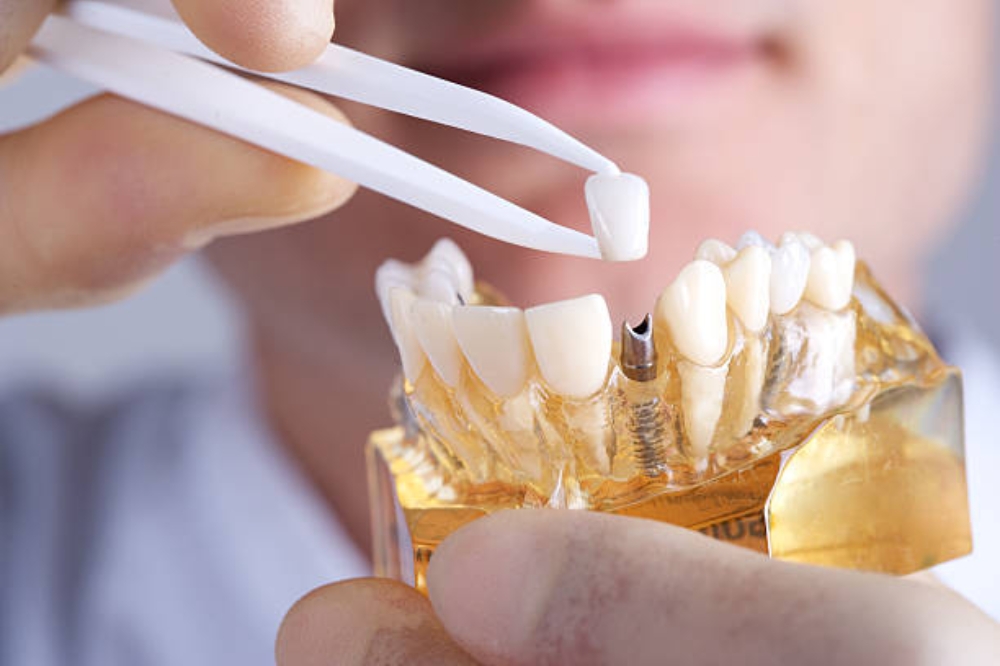
Restoring a missing tooth is about more than just aesthetics; it is about reclaiming your ability to eat, speak, and smile with absolute confidence.
For many patients, the gold standard for tooth replacement is the dental implant. If you have been searching for dental implants near you, you likely already know that this solution offers a level of stability and longevity that bridges and dentures cannot match.
Unlike other options that sit on top of the gums, an implant is integrated into the jawbone, acting as a permanent root. This guide will walk you through what to expect from the procedure and recovery.
Why Choose A Professional Dental Consultation?
The journey to a restored smile begins with a comprehensive oral examination and digital imaging. When you visit a dentist near you, the priority is to assess the health of your jawbone and surrounding gum tissue.
Not everyone is an immediate candidate for implants; some may require preliminary procedures, such as bone grafting, to ensure a solid foundation.
During this phase, your dental team will create a personalized treatment plan that outlines the number of implants needed and the specific timeline for your transformation.
How Does The Implant Placement Procedure Work?
The surgical phase is an exact process typically performed under local anesthesia to ensure comfort. During the appointment, the dentist creates a small space in the bone and carefully inserts the titanium post.
If you are seeing a dentist in Calgary, you will find that modern techniques make this process remarkably efficient:
- Placement – The titanium post is secured into the jawbone.
- Healing Cap – A small cap may be placed to guide the gum tissue as it heals.
- Osseointegration – This is the critical period, lasting several months, where the bone actually fuses to the post.
- Stability – This fusion creates a foundation strong enough to support the pressure of chewing.
What Is The Timeline For Recovery And Osseointegration?
Recovery from the initial surgery is usually faster than expected, but the total healing time is a marathon.
Choosing dental implants in Calgary means working with a team that monitors you closely during the osseointegration phase.
While the gums heal within a week or two, the bone fusion takes between three and six months. It is vital to follow all post-operative instructions, such as eating soft foods and avoiding tobacco, to ensure the implant integrates successfully without complications.
How Is The Final Restoration Attached?
Once the osseointegration process is complete, the final phase begins. Your dental team will attach a small connector piece called an abutment to the implant post.
Following this, impressions are taken to create your custom porcelain crown. The result is a tooth that looks, feels, and functions so naturally that you may even forget it isn’t the original.
How To Maintain Your Dental Implants For Life?
One of the most significant benefits of this procedure is that, with proper care, implants can last a lifetime. Proper implant maintenance will help your natural teeth last longer:
- Daily Hygiene – Brush twice a day and floss daily to keep the surrounding gum tissue healthy.
- Regular Check-ups – Visit your clinic for professional cleanings and to ensure the implant remains stable.
- Avoid Hard Objects – Just like natural teeth, crowns can chip if you chew on ice or hard candy.
- Gum Health – While the implant cannot get a cavity, the gums can still develop disease, so hygiene is paramount.
What Are The Long-Term Benefits Of Implants?
Beyond the noticeable improvement to your smile, dental implants play a crucial role in maintaining your facial structure.
When a tooth is lost, the jawbone begins to deteriorate because the tooth root is no longer stimulating it. An implant provides that necessary stimulation, preventing bone loss and the “sunken” facial appearance.
Furthermore, because the implant is self-supporting, there is no need to grind down adjacent healthy teeth.
Implants vs. Traditional Options
|
Feature |
Dental Implants |
Dental Bridges |
Full Dentures |
|
Lifespan |
25+ Years / Lifetime |
7–15 Years |
5–10 Years |
|
Bone Health |
Prevents bone loss |
No bone protection |
Can accelerate loss |
|
Maintenance |
Normal brushing |
Special flossing tools |
Removal and soaking |
|
Stability |
Fixed and permanent |
Fixed (uses anchors) |
Removable (can slip) |
Start Your Journey to a Permanent Smile
Restoring your teeth is an investment in your long-term health and confidence. With proper care and recovery, modern restorative dentistry offers comfortable, predictable results.
At Valley Ridge Dental Centre, we provide compassionate, patient-focused care using advanced technology to support you at every step. If you’re ready to explore your restoration options, contact us today to schedule your consultation.
 Find us easily on the Google map and plan your visit today!
FAQs
Q1.Does the dental implant procedure hurt?
Most patients report that the procedure involves less discomfort than a tooth extraction, as local anesthesia is used to numb the area completely during surgery.
Q2.How long does the entire process take?
The total timeline typically ranges from 4 to 9 months, allowing sufficient time for the bone to fuse securely to the implant post.
Q3.Are dental implants safe for seniors?
Yes, as long as the patient has adequate bone density and is in good general health, implants are a highly successful option for older adults.
Q4.Can I get an implant immediately after an extraction?
In some cases, “immediate placement” is possible, but it depends on the bone’s health and the absence of infection in the area.