

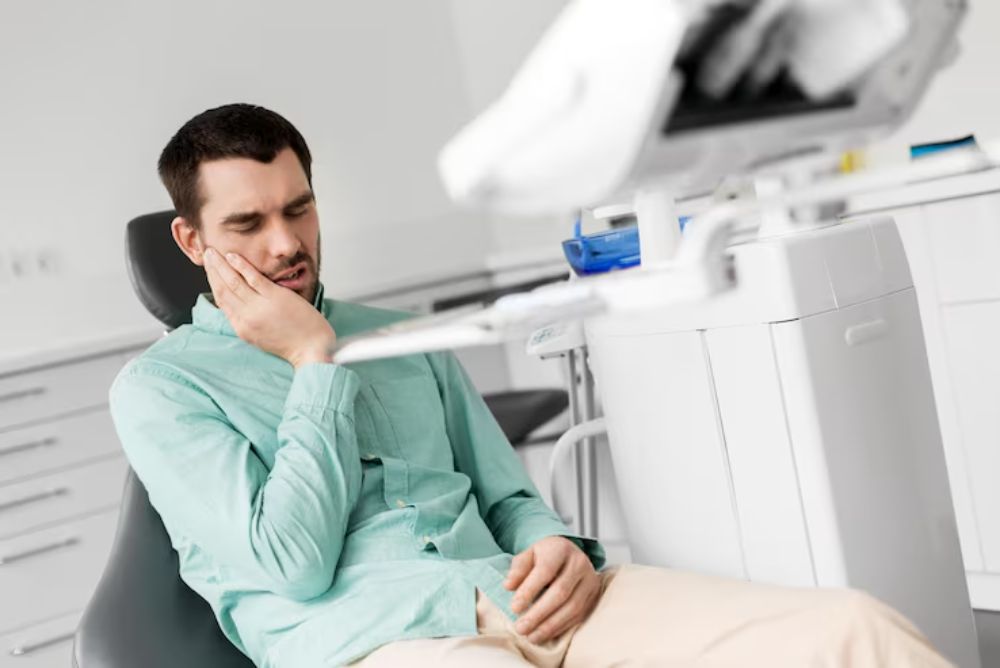
A severe toothache can stop you in your tracks, making it hard to eat, sleep, or focus. If you cannot get to a dental clinic in NW Calgary right away, knowing how to manage the pain safely at home can make a real difference. This guide walks you through simple steps to get some relief while you wait.
Why Does a Toothache Hurt So Much?
A toothache occurs when the nerves surrounding or inside the tooth become inflamed. Reasons for this can include dental cavities (decay), a cracked tooth, an abscess (a collection of infection), or a gum infection. As nerves are very sensitive, tightly packed within the shell of a tooth, the nerves swell up and create a strong, throbbing pressure.
Home care manages pain temporarily but does not treat the cause. Seeking emergency dentistry in NW Calgary is always the right move when pain is severe or getting worse. You do not have to just tough it out or wait for things to escalate. Getting a professional, eyes-on look early protects your health, stops the infection from spreading, and finally brings you the lasting comfort and peace of mind you deserve.
Safe Ways to Relieve Toothache Pain at Home
1. Take Over-the-Counter Pain Medication
Perhaps the quickest remedy for pain is taking an over-the-counter pain reliever for a toothache. This could be ibuprofen or acetaminophen to combat the pain and inflammation. Stick to the prescribed dosage and always stay within the maximum limit given on the packaging.
2. Apply Cold Packs
Wrap ice packs or a frozen bag of peas in a cloth and apply to your cheek for 15-20 minute intervals. This will help to bring down swelling and can have a numbing effect. Never put ice directly on the skin.
3. Rinse your mouth with warm salt water
Take half a teaspoon of salt with warm water and rinse around for 30 seconds. It decreases the inflammation and helps clear the particles from the painful region. Do this a couple of times a day.
4. Try some Clove Oil
Clove oil has eugenol, which is a natural anesthetic. Dab some of it on a cotton ball and put it on the sore spot. Use with great care and do not swallow it.
5. Keep Your Head Elevated
Keep your head slightly raised while sleeping by using an extra pillow. When lying flat, you can get an increase in blood flow to your head and hence experience the painful throbbing sensation at night.
What to Avoid
These things can make the pain worse while you wait:
- Very hot or cold food and drinks
- Hard or crunchy foods
- Chewing on the affected side
- Pressing or poking at the tooth
- Sugary or highly acidic beverages
- Using tobacco products or alcohol
- Taking extremely hot baths or showers
Additionally, try to avoid lying completely flat, as increased blood flow to your head can intensify the throbbing pressure. Steer clear of aspirin placed directly on the gums, which causes painful chemical burns.
When to Seek Immediate Help
Contact a dental clinic near you right away if you notice:
- Swelling in your jaw, face, or neck
- Fever alongside the tooth pain
- Difficulty swallowing or breathing
- Pain that is rapidly worsening
Don’t sit and hope for the pain and symptoms to disappear or get better by tomorrow. These may be an indication of an infected area that needs immediate treatment. Don’t jeopardize your well-being for a condition that requires immediate attention. Get help from a dental professional quickly and solve this problem immediately!
Take the Next Step—Visit Valley Ridge Dental Centre
Temporary relief is helpful, but it is not a solution. The sooner you get professional care, the sooner you can protect your tooth and get back to normal. Ignoring the warning signs can lead to deeper infections, costlier treatments, and unnecessary discomfort that disrupts your daily life.
At Valley Ridge Dental Centre, the team is ready to help you quickly and comfortably. Our experienced staff uses advanced technology to diagnose the root cause of your discomfort, ensuring you receive personalized care in a relaxing environment. Do not wait for the pain to get worse, book your appointment today.
Frequently Asked Questions
Q1: Should I put the aspirin on the sore tooth?
No. When placed on the gum, aspirin can burn the surrounding tissues. Always take pain relievers orally.
Q2: How long is it okay to use self-treatment for a toothache?
Self-treatment should only be used on an interim basis. You should visit the dentist to rectify the problem.
Q3: Does a toothache always mean I need a root canal?
Not necessarily. The cause could be a cavity, crack, or gum issue. A dentist can only determine the cause after an examination.
Q4: Is it normal for tooth pain to come and go?
Yes, but it still means something is wrong. Even if the pain fades, get it checked by a dentist.